Paving Solutions: Upgrade Your Property With Trusted Paving Services
Professional surfacing services offer significant advantages for property enhancement. They not only enhance aesthetics but also increase functionality. Choosing the appropriate materials, such as asphalt or interlocking pavers, can guarantee durability and style. The installation process is vital for achieving long-lasting results. Yet, many homeowners neglect essential maintenance practices that can extend the life of their investment. Understanding these elements is essential for making informed decisions about outdoor spaces. What comes next may surprise you.
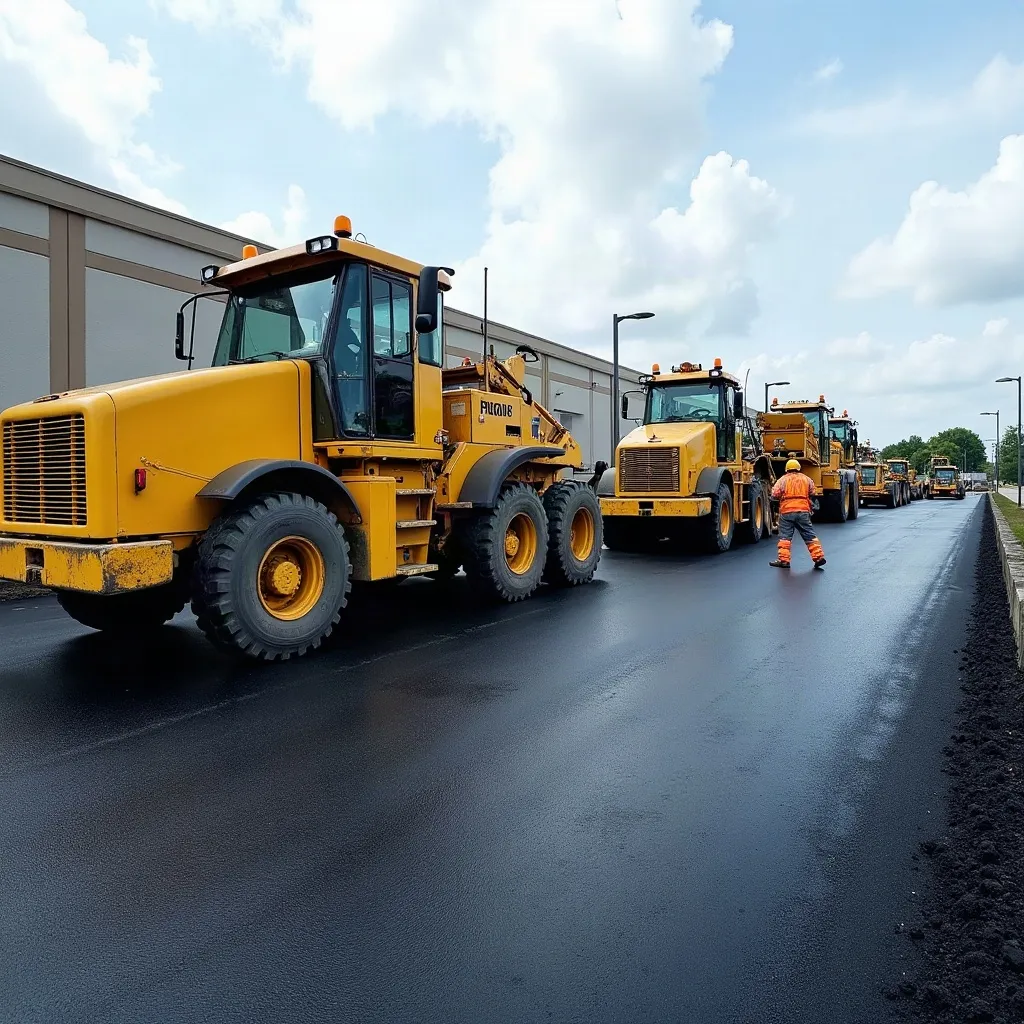
Expert Paving Solutions Enhance Your Property Appeal
Professional paving solutions enhance outdoor spaces, increasing both utility and aesthetics. By implementing expert methods and state-of-the-art equipment, these offerings guarantee the comprehensive groundwork and installation of different paving types. This careful focus results in resilient, long-lasting outcomes that endure damage and degradation while maintaining visual appeal.
Additionally, professional paving elevates real estate worth, building welcoming walkways, parking areas, and decks that entice potential buyers. A properly paved area strengthens safety by decreasing dangers like uneven ground and heavy mud, supporting a more delightful outdoor environment.
Additionally, seasoned experts can provide customized designs tailored to individual preferences, ensuring that each project matches the property's unique character.
Choose the Premium Laying Materials for Your Work
In what ways can homeowners identify the most appropriate paving materials for their projects? Picking the correct material matters for functionality and visual appeal.
First, landowners should consider the intended application of the paved space. For driveways, sturdy materials like asphalt or concrete are often selected due to their toughness and lasting quality. In contrast, for patios or walkways, selections like pavers or bricks can offer visual appeal and versatility.
Next, weather patterns exerts a significant influence. Areas with copious rain may benefit from permeable materials that allow for better drainage, reducing the risk of flooding.
Also, maintenance requirements should be reviewed; some materials require more maintenance than others.
Finally, budget limitations will influence the choice. While excellent materials may require a larger upfront investment, they commonly provide long-term financial benefits through toughness and lower repair expenses.
As a result, detailed examination of these factors will help property owners in making educated decisions.
Asphalt Paving Pros
Asphalt surfacing represents a top option for homeowners pursuing long-lasting and affordable solutions for their pathways and driveways. One of its main benefits is its durability; asphalt can endure heavy traffic and severe weather conditions, making it perfect for residential use.
Furthermore, asphalt is moderately priced against other paving materials, assisting homeowners to realize a excellent appearance without spending a fortune. The installation process is also swift, commonly completed within a day, curbing disruption to daily life.
Furthermore, asphalt is easy to maintain, requiring only periodic sealing to extend its durability. These benefits make asphalt paving a practical and smart choice for improving property appearance and performance.
Interlocking Paver Positives
For those exploring paving solutions, interlocking pavers present clear advantages that enhance both aesthetic value and functionality.
These flexible pavers come in multiple shapes, colors, and textures, permitting innovative design opportunities that can suit any property style. Additionally, interlocking pavers provide exceptional durability, preventing cracking and shifting, which is particularly helpful in regions with fluctuating temperatures.
Furthermore, their unique aesthetic supports effective water drainage, lowering the risk of inundation and degradation. This porosity also enhances environmental stewardship by facilitating rainwater to replenish groundwater supplies.
Ultimately, the convenient installation and maintenance makes interlocking pavers a functional solution, permitting homeowners to enjoy their beautiful surface without overwhelming maintenance requirements.
First Site Examination
What elements impact the preliminary site assessment for paving installation? Several important points come into play during this essential stage. First, the topography of the land is analyzed to identify any slopes or drainage concerns that could interfere with the paving process. Next, the current soil conditions are evaluated, as different soil types can affect stability and durability. Additionally, site accessibility is reviewed to figure out how equipment and materials will be moved. Local regulations and zoning laws are checked to guarantee compliance. Finally, existing structures and vegetation are inspected to plan for any required removal or protection. This thorough evaluation establishes the basis for a successful paving project, ensuring that all potential challenges are managed from the start.
Installation Phases Explained
With a comprehensive site evaluation finished, the paving placement procedure can begin.
The early phase comprises ground readiness, where any old materials are stripped away and the ground is smoothed. Then, a ground layer is secured, often made of gravel or crushed stone, which establishes stability and drainage.
Following this, the determined wearing course—such as asphalt or concrete—is positioned. This phase requires thorough attention to guarantee a smooth finish and proper alignment.
Once the paving is positioned, it undergoes compaction to strengthen durability. Finally, the setting process commences, allowing the material to properly set.
Throughout the undertaking, effective dialogue with the property owner is required to tackle any issues and guarantee satisfaction with the final end result.
Surface Maintenance Best Practices for Long-Lasting Condition
Despite asphalt areas being engineered for long-lasting performance, consistent upkeep is essential to ensure their extended life. Regular checks must be conducted to identify cracks, potholes, or signs of wear. Timely fixes can prevent additional deterioration and extend the durability of the road surface.
Moreover, keeping the surface free of debris is important; particles, leaves, and dirt can trap moisture, leading to deterioration. Regular sweeping and periodic power washing support maintain a immaculate appearance and usability.
Applying sealant every few years can safeguard the surface from environmental wear and sun damage, while also boosting its cosmetic allure.
In conclusion, dealing with drainage issues is significant. Proper drainage systems prevent water accumulation, which can damage the paving material over time.
How to Find a Reliable Paving Contractor
Locating a credible paving contractor is a vital step for property owners working to install or upgrade their paving surfaces. To commence, individuals should ask for recommendations from friends, family, or local businesses that have recently completed paving projects. Online reviews and feedback can also deliver insights into a contractor's reputation.
Once potential vendors are found, it is essential to verify their credentials, covering licenses and insurance. A professional tradesperson should offer a thorough written proposal that outlines the scope of work, materials, and timeline.
Additionally, collecting endorsements from prior clients can help assessing the contractor's reliability and quality of work. It's furthermore prudent to inquire into guarantees on materials and workmanship.
Ultimately, full information facilitating candid communication and clarity during initial consultations can develop a reliable relationship, bringing about a successful paving project that meets expectations.
Common Questions Asked Often
What is the Timeline of a Standard Paving Project to Complete?
A typical paving project generally takes one to three days to finish, depending on factors such as the size of the project, complexity, climate, and preparation requirements. Effective planning can assist in expedite the process efficiently.
Which Permits Are Required for Paving Construction?
Normally, paving installation necessitates credentials such as local permits, zoning approvals, and environmental assessments. Regulations fluctuate based on place, so consulting jurisdictional officials guarantees compliance with necessary legal requirements for the initiative.
Can Asphalt Work Be Done in Winter or Wet Weather?
Paving can be troublesome during winter or rainy seasons due to temperature and moisture concerns. Cold weather can obstruct proper curing, while excessive rain may cause structural defects, leading to potential enduring harm. Strategic forethought is essential.
What Should I Do if My Asphalt Develops Cracks?
When pavement shows fractures, the first step is to assess the harm. Then, clear the area completely, seal the fissures with appropriate sealant, and think about professional repair to avoid additional damage and maintain protection.
What approaches should I take to verify that my paving contractor has proper licensing?
To figure out whether a paving contractor is appropriately licensed, you need to confirm credentials with local licensing boards, request a copy of their license, and check for insurance coverage, making certain they meet industry regulations and safety standards.